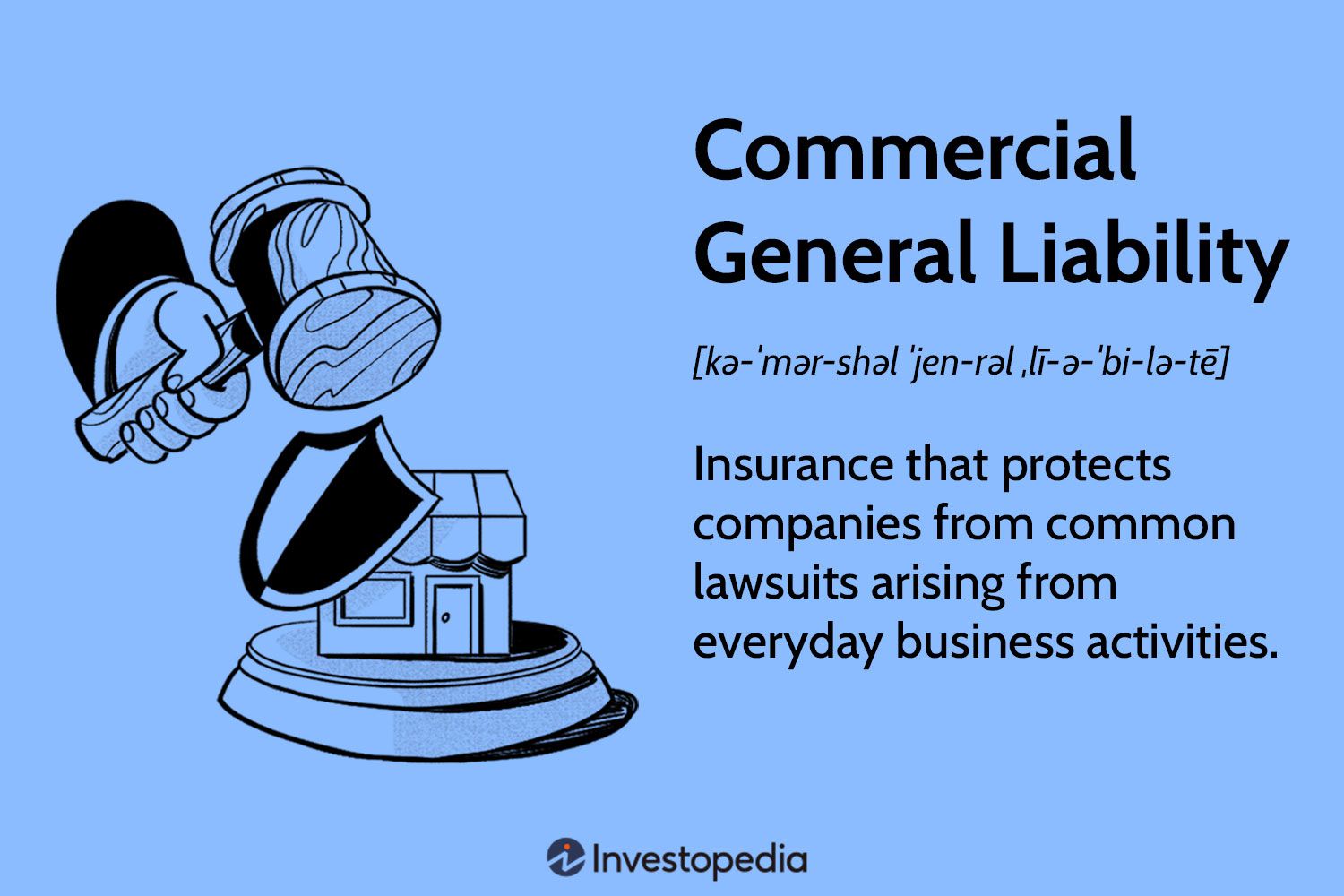
In the dynamic landscape of modern business, unforeseen risks lurk around every corner, threatening financial stability and long-term viability. From a customer’s slip-and-fall on your premises to an inadvertent copyright infringement in your marketing campaign, the potential for third-party lawsuits is ever-present. This is precisely where Commercial General Liability Insurance, commonly known as CGL, steps in as a critical line of defense. As a broad and foundational insurance policy, CGL is designed to protect businesses from a wide array of common general business risks, making it an indispensable asset for virtually any enterprise operating in the United States insurance market and beyond.
Often one of the first and most crucial insurance policies a business procures, CGL provides comprehensive coverage against claims arising from bodily injury, property damage, personal injury, advertising injury, and medical payments. More than just a financial safety net, it imposes on insurers a dual duty: not only to indemnify insureds for covered claims but also to vigorously defend them in court, absorbing potentially astronomical legal costs regardless of the claim's outcome. Understanding the intricacies of CGL is paramount for robust risk management and ensuring your business is adequately protected against the unpredictable.
Understanding the Core Protections of Commercial General Liability Insurance
At its heart, Commercial General Liability Insurance provides a robust shield against common third-party claims that can arise from a company's day-to-day operations, premises, products, or completed work. Introduced by the Insurance Services Office (ISO) in 1986 and periodically updated to address emerging risks (with notable revisions in 2024 and 2025), a CGL policy is typically structured around three main coverage sections:
- Coverage A: Bodily Injury and Property Damage Liability
This is arguably the most recognized component of CGL. It addresses claims where your business activities or premises accidentally cause physical harm to another person (bodily injury) or damage to their property. Think of a client tripping over a loose rug in your office, suffering an injury, or an employee accidentally damaging a client's server during an on-site visit. Coverage A would respond to these claims, covering medical expenses, lost wages, and repair/replacement costs, along with the associated legal defense costs. For a deeper dive into these crucial protections, explore our detailed article on CGL Insurance Explained: Bodily Injury, Property & Advertising. - Coverage B: Personal and Advertising Injury
While Coverage A deals with physical harm, Coverage B steps in to protect your business from non-physical harms, specifically those related to your reputation or advertising activities. This includes claims such as libel, slander, defamation, invasion of privacy, false arrest, and even copyright infringement in your advertisements. For instance, if a competitor sues you for disparaging remarks made in a marketing campaign or if your advertising inadvertently uses copyrighted material, Coverage B would provide defense and indemnity. - Coverage C: Medical Payments
This coverage offers a no-fault provision for minor injuries sustained by non-employees on your premises or during your business operations. It’s designed to provide prompt payment for small medical expenses, often preventing minor incidents from escalating into larger liability claims. For example, if a visitor slips and sprains an ankle but doesn't intend to sue, Coverage C can cover their initial medical bills, demonstrating good faith and potentially avoiding a more significant lawsuit.
These core coverages are vital because they extend beyond just paying settlements or judgments; they include the substantial costs of legal defense, which can quickly drain a business's resources even if a claim is ultimately found to be meritless.
What Commercial General Liability Insurance Excludes: Knowing Your Gaps
While CGL is lauded for its broad "all-risks" approach, meaning it covers any risk unless specifically excluded, it's equally important for businesses to understand its limitations. These exclusions are not meant to leave you vulnerable but rather to delineate the scope of CGL and highlight areas where specialized insurance policies are necessary. Common exclusions found in a CGL policy include:
- Professional Services (Errors & Omissions): CGL does not cover claims arising from professional negligence or mistakes in services provided by professionals like doctors, lawyers, accountants, or consultants. These require separate Professional Liability (or Errors & Omissions - E&O) insurance.
- Pollution Liability: Environmental damage or cleanup costs due to pollution incidents are typically excluded, necessitating specific Pollution Liability insurance.
- Liquor Liability: Businesses that sell, serve, or furnish alcoholic beverages may face unique risks related to intoxicated patrons, which CGL generally excludes. This requires a separate Liquor Liability policy.
- Automobile Liability: Accidents involving company vehicles are not covered by CGL; instead, they fall under Commercial Auto Insurance.
- Workers' Compensation: Injuries to your employees on the job are handled by Workers' Compensation insurance, a legally mandated coverage in most jurisdictions.
- Directors and Officers (D&O) Liability: Claims against company directors and officers for wrongful acts in their management capacity are excluded, requiring D&O insurance.
- Cyber Risks: Data breaches, network security failures, and other cyber-related incidents are increasingly common but explicitly excluded from CGL, necessitating Cyber Liability insurance.
- Employment Practices Liability (EPLI): Claims related to wrongful termination, discrimination, harassment, or other employment-related issues are excluded and require EPLI.
- Intentional Damages: CGL policies are designed for accidental occurrences; intentional acts of harm are never covered.
Understanding these exclusions is critical. Ignoring them can leave significant gaps in your business's protection. Often, businesses will bundle CGL with other specialized policies within a Commercial Package Policy (CPP) or a Business Owners Policy (BOP) to achieve more comprehensive coverage. For a detailed breakdown of what your CGL policy might not cover, refer to our article on CGL Exclusions: What Commercial General Liability Doesn't Cover.
CGL and Complexities: Construction Defects & Component Parts
The application of Commercial General Liability Insurance can become particularly nuanced in certain industries, notably construction and manufacturing. One area of considerable debate revolves around whether CGL covers construction defects or "faulty workmanship." Traditionally, some insurers have argued that poor workmanship is a risk best addressed by a surety bond, which guarantees the completion of a contract, rather than a CGL policy. The rationale often centers on the idea that a construction professional has direct influence over the quality of their work through skill, effort, and attention to detail, implying a degree of control that differs from purely accidental occurrences.
However, judicial interpretations and state laws vary significantly. In some jurisdictions, courts have found that certain types of construction defects, particularly those causing damage to other property (not just the work itself), can trigger CGL coverage. This ongoing debate highlights the importance of precise policy language and the potential need for specific endorsements to clarify coverage for construction professionals. Contractors and developers must carefully review their CGL policies and consider obtaining specialized construction-specific liability coverage to ensure adequate protection.
Similarly, for manufacturers of component parts, CGL coverage can extend to situations where their part harms a finished product. For example, if a faulty engine part causes a complete vehicle to malfunction and results in property damage or bodily injury to a third party, the component manufacturer's CGL policy might provide coverage. Again, this often depends on specific policy wording, endorsements, and the legal framework of the jurisdiction where the incident occurs. Businesses in these complex sectors are strongly advised to consult with an experienced insurance broker to tailor their CGL policy to their unique exposures and clarify any potential ambiguities.
Why CGL is Indispensable for Modern Businesses
Commercial General Liability Insurance stands as a fundamental pillar of sound risk management for any enterprise, regardless of its size or industry. In today's litigious environment, the cost of a single lawsuit, even one without merit, can be financially devastating for a business. Beyond the immediate financial protection, CGL offers numerous tangible and intangible benefits:
- Financial Protection: It shields your business assets from the enormous costs associated with legal defense, settlements, and judgments arising from covered liability claims, preventing potential bankruptcy.
- Business Continuity: By mitigating financial shocks from lawsuits, CGL helps ensure your business can continue operations without significant disruption, maintaining stability and profitability.
- Client and Contractual Requirements: Many landlords, clients, and partners will require you to carry specific CGL limits as a condition of doing business. Having adequate coverage allows you to secure contracts and expand your professional network.
- Reputation Management: Prompt and professional handling of liability claims through your insurer can help preserve your business's reputation and client trust.
- Peace of Mind: Knowing you have a robust defense against common risks allows you to focus on growth and innovation, rather than constantly worrying about potential liabilities.
To maximize the effectiveness of your CGL policy, it's crucial to regularly review your coverage with an independent insurance professional. Policy forms are dynamic, evolving with the market, and your business's needs can change rapidly. Tailoring your coverage to specific industry exposures, understanding your policy limits, and considering additional endorsements for unique risks will ensure truly comprehensive protection.
Conclusion
In conclusion, Commercial General Liability Insurance is far more than a mere formality; it is an indispensable investment in the security and longevity of your business. Providing broad protection against the common, yet potentially catastrophic, risks of bodily injury, property damage, and personal/advertising injury, CGL acts as a vital safeguard. While it doesn't cover every conceivable risk, its core protections, coupled with the critical duty to defend, offer unparalleled peace of mind. By understanding what your CGL policy covers, what it excludes, and how it can be tailored to your specific needs, you can build a formidable defense against unforeseen challenges, allowing your business to thrive securely in an unpredictable world. Don't leave your enterprise vulnerable; invest in robust CGL coverage and ensure your business is protected today and well into the future.