CGL Insurance Explained: Bodily Injury, Property & Advertising Protection for Businesses
In the dynamic landscape of modern commerce, businesses face an array of unforeseen risks daily. From a customer slipping on a wet floor to a disparaging comment made in an advertisement, the potential for liability claims is ever-present. This is precisely where Commercial General Liability Insurance, commonly known as CGL insurance, steps in as a critical line of defense. As a foundational insurance policy, CGL offers broad protection against many common perils, safeguarding your business from potentially devastating financial losses stemming from third-party claims.
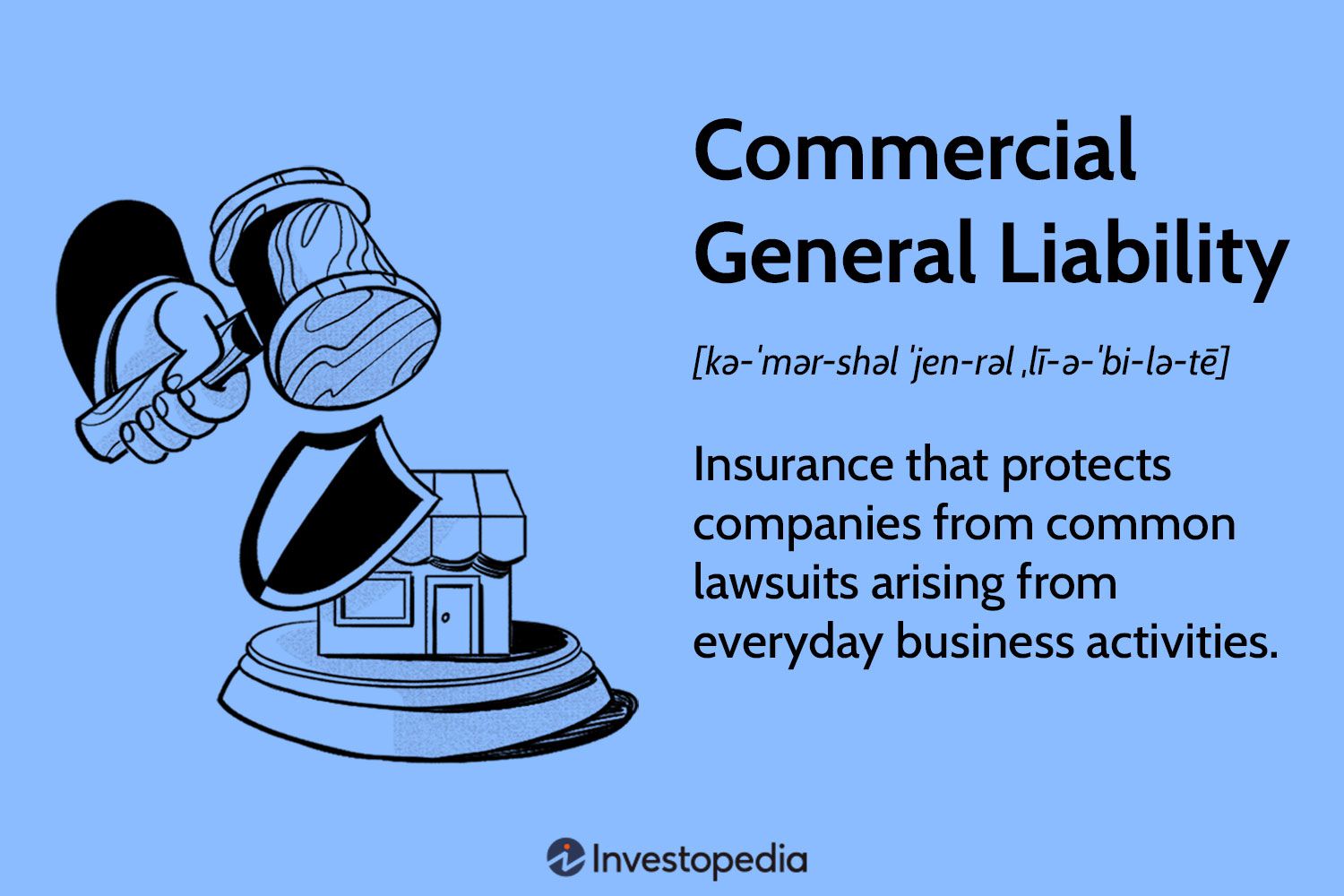
Often the very first type of liability coverage a business procures, CGL insurance is designed to cover a wide spectrum of general business risks. Its robust framework, standardized in the U.S. by the Insurance Services Office (ISO) in 1986 (and continuously updated, with recent revisions in 2024 and 2025 reflecting evolving risks), provides comprehensive coverage. This includes claims arising from bodily injury or property damage on your premises or due to your operations, personal and advertising injury, and medical payments. Crucially, CGL policies obligate insurers not only to indemnify (pay out) for covered claims but also to provide a robust legal defense, a benefit that can be invaluable given the high cost of litigation.
Understanding Commercial General Liability Insurance: The Core Coverages
At its heart, a standard CGL policy is typically segmented into three primary coverages, each addressing distinct types of third-party claims. Understanding these components is essential for appreciating the breadth of protection CGL insurance offers.
Coverage A: Bodily Injury and Property Damage Liability
This is arguably the most recognized component of CGL insurance, addressing claims arising from accidental physical harm to a third party or damage to their property. These incidents can occur in various scenarios related to your business operations, premises, products, or completed work. For example:
- Bodily Injury: A customer slips and falls on a spilled drink in your retail store, resulting in a broken arm. Or, a client trips over equipment left by your team at their office, sustaining an injury.
- Property Damage: Your employee accidentally drops a box on a client's expensive laptop during a service call, destroying it. Or, a painter hired by your company accidentally splashes paint on a neighbor's car while working on your building.
Under Coverage A, your CGL policy would typically cover the costs associated with the injured party's medical treatment, lost wages, pain and suffering, as well as the repair or replacement costs for damaged property. Importantly, it also covers the substantial legal defense costs that can quickly accumulate, even if your business is ultimately found not liable.
Coverage B: Personal and Advertising Injury
Moving beyond physical harm, Coverage B addresses non-physical harms that can significantly impact a third party's reputation or rights. In today's interconnected world, where information spreads rapidly, this coverage is increasingly vital. It protects your business against claims such as:
- Libel and Slander: Written (libel) or spoken (slander) false statements that harm an individual's or organization's reputation. This could involve an employee making a harmful comment about a competitor or a customer.
- Defamation: A broader term encompassing both libel and slander, referring to false statements that damage someone's reputation.
- Copyright, Trade Dress, or Slogan Infringement: Unintentionally using someone else's copyrighted material, distinctive product packaging, or registered slogan in your advertising or business operations.
- False Arrest, Detention, or Imprisonment: If, for example, a security guard at your business mistakenly detains a customer for shoplifting.
- Malicious Prosecution: Wrongfully initiating a legal proceeding against another party.
This coverage is especially crucial for businesses with active marketing campaigns, social media presences, or those that interact frequently with the public, offering a shield against allegations that could tarnish your brand and lead to costly lawsuits.
Coverage C: Medical Payments
Coverage C provides a "no-fault" solution for minor injuries sustained by non-employees on your business premises or due to your operations, regardless of who was at fault. The aim of this coverage is to promptly cover smaller medical expenses, potentially preventing minor incidents from escalating into larger, more costly liability claims. For instance:
- A visitor trips over a rug in your waiting area, scraping their knee, and requires a quick visit to an urgent care clinic.
- A customer suffers a minor burn from a hot plate at your restaurant.
By offering immediate payment for reasonable medical expenses without the need to determine fault, Coverage C can help maintain good customer relations and avoid the complexities and expenses of protracted legal disputes for minor incidents.
The "All-Risks" Nature and Essential Exclusions
CGL insurance is generally considered an "all-risks" policy. This means it provides coverage for a vast array of potential risks unless those risks are explicitly excluded in the policy language. This "all-risks unless specifically excluded" approach offers broad protection, but it also underscores the critical importance of understanding what your CGL Exclusions: What Commercial General Liability Doesn't Cover.
Common CGL Exclusions and Why They Matter
While CGL provides robust coverage, it's not a one-stop-shop for every business risk. Several specific perils are typically excluded because they either require specialized underwriting, fall under other standard insurance policies, or represent intentional acts. Key exclusions often include:
- Professional Services: Claims arising from errors, omissions, or negligence in the professional advice or services you provide (e.g., accountants, consultants, lawyers, architects). These require Professional Liability (Errors & Omissions) insurance.
- Pollution: Environmental contamination or damage caused by pollutants. This necessitates dedicated Pollution Liability insurance.
- Liquor Liability: Bodily injury or property damage for which your business may be held liable due to the selling, serving, or furnishing of alcoholic beverages. Businesses in the alcohol industry need specific Liquor Liability policies.
- Automobile Liability: Accidents involving company-owned, leased, or rented vehicles. This is covered by Commercial Auto insurance.
- Directors and Officers (D&O) Liability: Claims against directors and officers for wrongful acts in their managerial capacity. D&O insurance is designed for this.
- Workers' Compensation: Injuries or illnesses sustained by your employees in the course of their employment. This is covered by Workers' Compensation insurance, which is often legally mandated.
- Cyber Risks: Data breaches, network security failures, or other cyber-related incidents. Dedicated Cyber Liability insurance is required.
- Employment Practices Liability (EPLI): Claims related to wrongful termination, discrimination, harassment, or other employment-related issues. These are covered by EPLI policies.
- Intentional Damages: Any bodily injury or property damage caused intentionally by the insured.
A notable area of discussion revolves around whether CGL insurance covers construction defects or "faulty workmanship." While some insurers traditionally viewed poor workmanship as a risk covered by a surety bond rather than an insurance policy (given a professional's influence over quality), certain jurisdictions and interpretations allow for CGL coverage if faulty workmanship results in specific bodily injury or property damage to something *other than* the defective work itself. Furthermore, manufacturers of component parts might still have coverage under a CGL policy if their part harms a finished product. This nuanced area underscores the importance of consulting with insurance professionals to understand specific policy language and endorsements.
Why Commercial General Liability Insurance is Indispensable for Your Business
Beyond its core coverages, CGL insurance serves as a cornerstone of comprehensive business protection. Its value extends to several critical aspects of risk management and financial stability.
Legal Defense & Indemnification
One of the most significant benefits of CGL insurance is the insurer's "duty to defend." This means that upon receiving a covered claim, the insurance company is obligated to provide and pay for legal defense, regardless of whether the claim ultimately proves to be valid. Legal defense costs, even for frivolous lawsuits, can quickly escalate into hundreds of thousands of dollars, making this aspect of CGL coverage an absolute lifesaver for businesses. If the claim is found to be valid, the insurer also has a "duty to indemnify," paying out settlements or judgments up to the policy's limits.
Meeting Contractual Requirements
Many business contracts, such as commercial leases, vendor agreements, or client service contracts, stipulate that your business must carry a certain amount of CGL insurance. Having the appropriate CGL coverage is often a prerequisite for securing new business, renting office space, or participating in specific projects.
Protection Against Unforeseen Events
Despite best efforts in risk management, accidents happen. A CGL policy provides a financial safety net, ensuring that an unexpected event doesn't lead to bankruptcy or severe financial strain. It allows businesses to operate with confidence, knowing they have a defense against a broad spectrum of third-party claims.
Navigating Your CGL Policy: Tips for Business Owners
Maximizing the protection offered by your Commercial General Liability Insurance requires more than just purchasing a policy. It involves understanding its nuances and proactively managing your coverage.
Practical Steps to Optimize Your CGL Coverage
- Assess Your Unique Risks: Every business is different. A restaurant faces different risks than a software developer. Work with an insurance professional to identify specific exposures related to your industry, operations, and location.
- Understand Policy Limits and Deductibles: Be aware of the maximum amount your policy will pay for a single occurrence and in total for the policy period, as well as your deductible (the amount you pay out-of-pocket before coverage kicks in). Ensure these limits adequately reflect your potential liabilities.
- Review Endorsements: CGL policies are highly customizable through endorsements. These are amendments that add, remove, or modify coverage. Understand any endorsements attached to your policy, as they can significantly impact what is and isn't covered.
- Bundle Policies Strategically: Many businesses choose to bundle their CGL insurance with other essential coverages in a Commercial Package Policy (CPP) or a Business Owner's Policy (BOP). BOPs are typically for smaller businesses and combine CGL with property insurance, often at a reduced premium.
- Regularly Review Your Policy: As your business grows, changes operations, or enters new markets, your risk profile evolves. Review your CGL policy annually or whenever significant business changes occur to ensure your coverage remains adequate.
- Consult with an Insurance Professional: An experienced insurance broker or agent can provide invaluable guidance, helping you tailor your CGL policy to your specific needs, understand complex exclusions, and navigate the claims process. Their expertise ensures you have truly comprehensive protection.
Conclusion
Commercial General Liability Insurance is not merely an option; it's an indispensable foundation for any business's risk management strategy. By covering essential areas like bodily injury, property damage, and personal and advertising injury, it shields your financial health from the unpredictable costs of litigation and settlements. While it offers broad protection, understanding its specific coverages, common exclusions, and the critical role of endorsements is paramount. Proactively engaging with insurance professionals and regularly reviewing your policy are key steps to ensure your CGL insurance effectively protects your business today and into the future. Don't leave your business vulnerable – secure the comprehensive protection that CGL insurance provides.